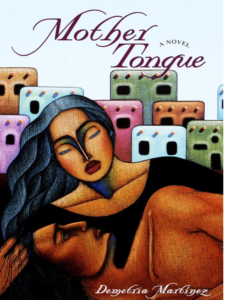
History in Literature: Mother Tongue by Demetria Martinez
Mother Tongue is a book that is set in Albuquerque, New Mexico’s Old Town neighborhood in the midst of the Sanctuary Movement during the 1980s. The war in El Salvador pushed many Salvadoreños to seek asylum in the U.S. and Canada.
Demetria Martinez, a native New Mexican writer, was a journalist writing for the National Catholic Reporter which was covering the Sanctuary Movement and the experiences of Salvadoran refugees. Her journalistic work paved the way for the writing of Mother Tongue. Demetria says writing this book was a “ magical experience.” Even though Mother Tongue is a fictional story, it helps us understand the historical significance of New Mexican Chicana/o involvement in the Sanctuary Movement and the experience of a Salvadoran refugee man as he confronts war trauma. Mother Tongue is an example of a social justice testimony detailing the love we have for one another and the importance of being in solidarity with one another as we advocate for a healthier society and for all people to live in peace and with dignity.
Unit Lessons
- Explore History in Literature through the novel Mother Tongue by Demetria Martínez, examining how historical events, political struggles, and cultural identity shape literary expression. Begin by learning about the author, Demetria Martínez—her background, activism, and the influences that led her to write Mother Tongue. Engage with foundational materials such as the Seven Pillars of Colonialism, the story of Wilfred, a boy from El Salvador, and background readings on the Salvadoran Civil War (1979–1992) to build historical context. Listen to Martínez speak about how she first learned about El Salvador, then discuss as a class or in small groups the key lessons drawn about the country’s history and the author’s perspective.
· Read and analyze Chapter 1 of Mother Tongue, then participate in Group Dialogue Circles to reflect, write, and co-create journal entries capturing collective interpretations. As a class, listen to Demetria’s advice and compare it to the guidance that the character Soledad offers readers within the novel. Continue to explore the author’s connection to the Sanctuary Movement and Solidarity Movement, then proceed to Chapter 2, again writing and sharing group journal reflections.
· In the next phase, engage with additional cultural works—listen to a song by Ali Perros, read Martínez’s poem “Nativity,” and hear her discuss her trial for aiding refugees. Complement this by reading poems from Roque Dalton, Pablo Neruda, and Claribel Alegría, linking their poetic voices to the themes of resistance and compassion found in Mother Tongue. After reading Chapter 3, form Dialogue Circles once again to write and share insights with the class.
· Moving forward, explore the role of music and poetry in shaping social movements by listening to and analyzing the works of Violeta Parra, Víctor Jara, Yolocambo, and Aretha Franklin. Reflect on how their art parallels the emotional and political depth in Martínez’s writing. Read Chapter 4, continue journaling collaboratively, and share your interpretations with classmates.
· Conclude by reading Chapter 5 and the Epilogue, then reflect on Demetria Martínez’s creative process, her personal connection to the characters, and her understanding of what Mother Tongue represents. End with a class-wide discussion to share final thoughts, exploring how Martínez intertwines literature, history, and identity to reveal the human stories behind political conflict and cultural resilience.
Questions
- Compelling Question: How do we develop social awareness about issues happening in the world? How do we develop political awareness about ourselves, our place, our community, the country, and the world?
- Staging the Question: How do we become aware of what is happening in the world? What do you know about El Salvador?
- Supporting Question 1: What do you know about El Salvador? What do you know about El Salvador during the 1980s? What do you want to know about El Salvador? Why is it important to learn about El Salvador? Why is it important to learn about different countries in the world?
- Supporting Question 2: What do you know about the Sanctuary and Solidarity Movement in New Mexico? What do you know about the Sanctuary and Solidarity Movement in the United States? Do we still need Sanctuary and Solidarity movements in the US? Why or Why not? Why is the book called Mother Tongue?
- Supporting Question 3: How do poetry and music impact the way we see and think of ourselves in the world? How do poetry and music impact the way we see and think of our community, our country and the world? Why is spirituality important in a movement or when people decide to take action?
New Mexico Social Studies Standards
- 9-12.WH.18. Identify significant transformative moments in world history, analyze the reasons behind their transformative nature, and explain how they continue to shape contemporary global interactions.
- 9-12.WH.19. Trace political, intellectual, religious, artistic, technological, economic, and social developments in historical periods as well as within individual societies.
- 9-12.WH.21. Examine how historical events and development