Water in the Borderlands
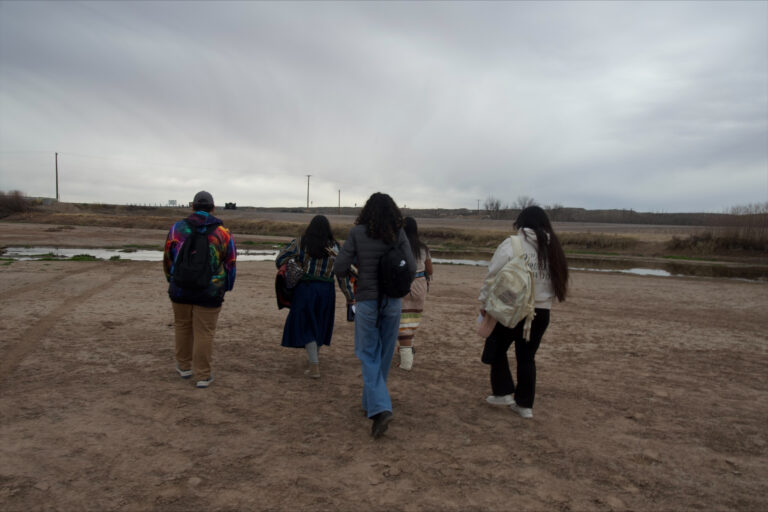
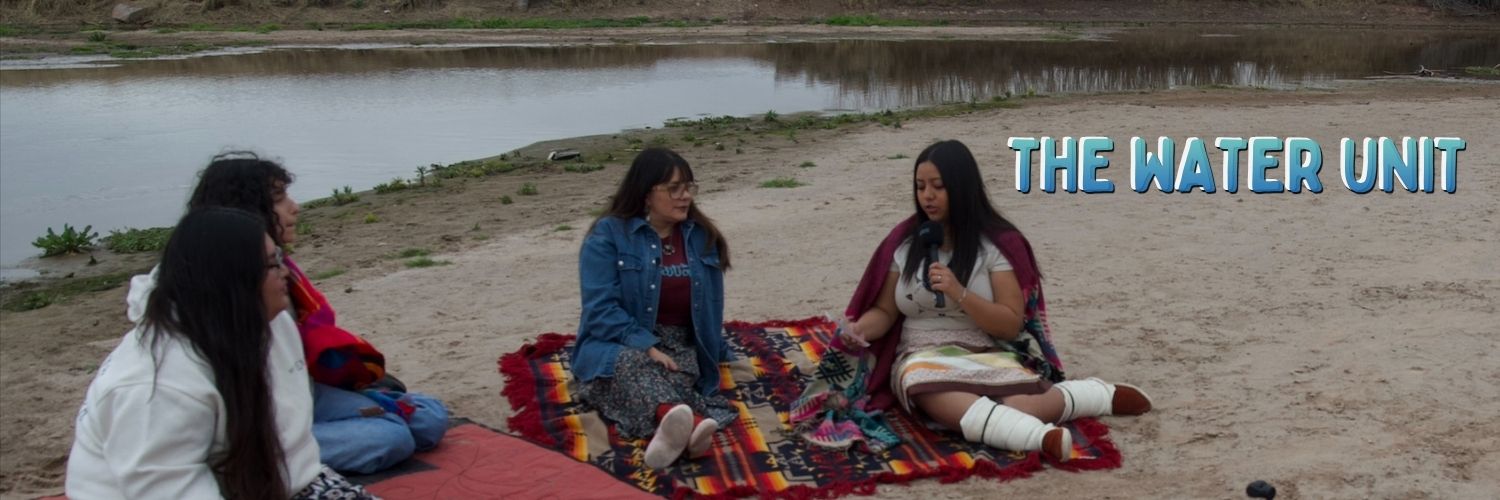
Water is life. In New Mexico, it shapes where we live, how we grow food, and how our communities survive. From rivers and acequias to wells and reservoirs, water connects our families, cultures, and land. Over the past 150 years, the water of the Borderlands has been changed by farming, pollution, and decisions made far from the communities most affected. This unit will explore where our Borderlands water comes from, who controls it, and why it matters. You’ll learn from oral histories from Borderlands knowledge keepers, geographical resources, storymapping, music, documentaries and actionable tasks.
This unit invites students to ask questions, share their own experiences with water, and imagine how young people can help protect one of our region’s and our earth’s most valuable resources.
Unit Lessons
- In this unit, many of the citations we use are not from official academic publications—but that doesn’t make them any less important. Knowledge isn’t only generated in universities; it also arises from personal stories, community experience, and grassroots research. Our goal is to respect and uplift these varied voices, recognizing that official-sounding sources aren’t the only path to truth. As Trouillot explains, the way history is told is shaped by power and perspective. Sometimes what’s left out—the silences—matters just as much as what is included. By using a variety of sources, even ones that might seem “unofficial,” we can uncover truths and challenge dominant narratives, helping us build a fuller, more honest understanding of the past.
- Moving Away From A Singular Dominant Narrative – The discipline of social studies is, and always has been, about examining multiple sources through a lens of inquiry. However, sometimes social studies has been taught in a way that promotes a singular story, rather than recognizing there are multiple and varied experiences of people, places, and ideas. These new standards move away from seeing social studies as a singular story, and toward one that recognizes and embraces counter narratives and provides equitable inclusion of historical stories reflecting Indigenous, Hispano/Latino, Chicano, Mestizo, Genizaro, African American, and other cultural perspectives. – NM PED Social Studies Instructional Shifts
Questions
- Compelling Question: Is access to clean water a basic human right? Should water be free? Is water scarcity caused more by nature or human actions? Can traditional ecological knowledge solve today’s water crisis? What happens when cultural values about water clash with economic interests?
- Staging the Question: Is water important to everyone in the same way? What or Who do you think is wasting the most water? Why do some places have less water?
- Supporting Question 1: How has the Rio Grande or your local river/water source changed over a 50 year period? How does your local river /the Rio Grande affect your daily life?
- Supporting Question 2: How does industrial/industrial-scale farming affect your water supply/access to water? What are the repercussions of the Elephant Butte dam regulating water flow? What are the biodiversity costs of a dry river?
- Supporting Question 3: Can traditional ecological knowledge solve today’s water crisis? What happens when cultural values about water clash with economic interests?